Sports marketing encompasses various strategies and channels aimed at promoting and improving the visibility of sporting events, teams, athletes, and associated brands. Here is a list of the main types of sports marketing:
Sponsorship marketing:
– Naming rights: Companies pay for the naming rights to stadiums, events, or competitions, thereby associating their brand with a sports property.
– Team sponsorship: Brands sponsor sports teams and gain visibility through their logos on jerseys, equipment, and team facilities.
– Athlete promotion: Brands partner with athletes to promote their products, leveraging the athletes’ image and popularity.
Advertising in sports
– Audiovisual advertising: commercials aired during televised or streamed sporting events.
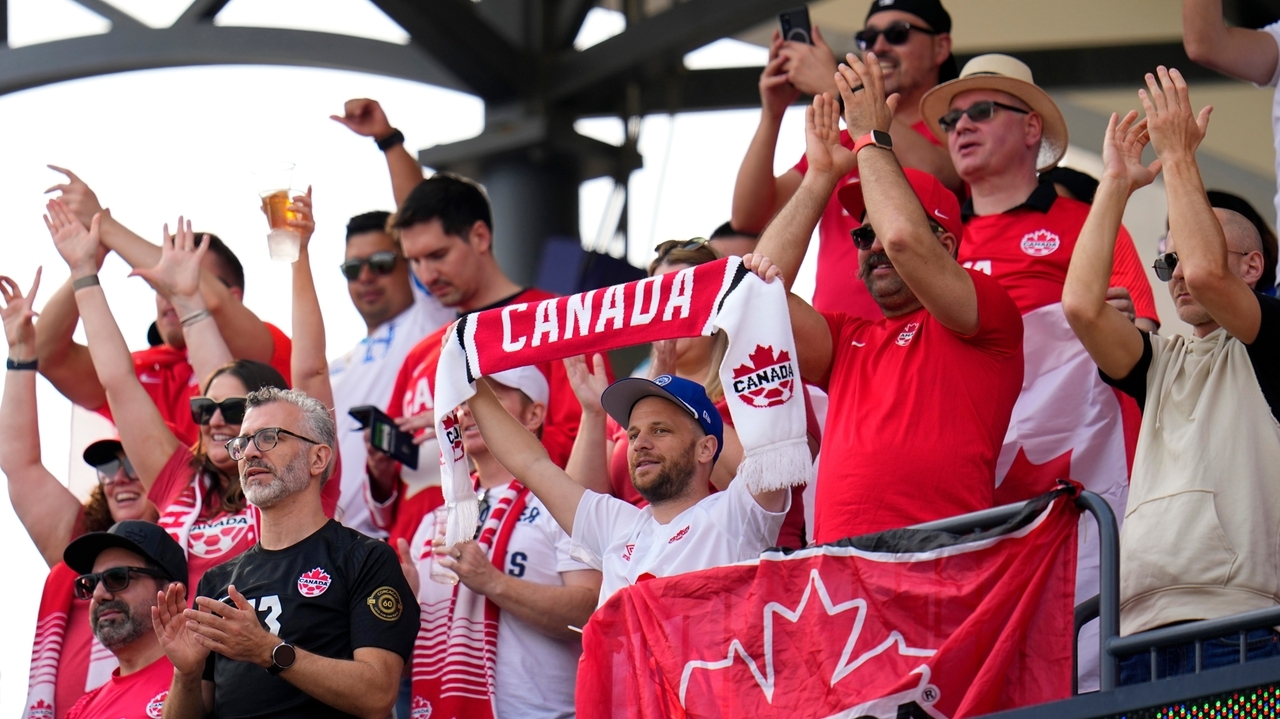
– Stadium advertising: billboards, banners, and digital screens in sports venues.
– Print and digital advertising: ad placements in sports magazines, websites, and mobile apps.
Event marketing
– Promotions and gifts: special offers, discounts, or gifts to attract participants.
Social media marketing
– Content creation: sharing engaging and relevant content on platforms such as Instagram, Twitter, and Facebook.
– Influencer partnerships: collaborating with sports influencers and athletes to reach a wider audience.
– Live streaming: broadcasting live events, behind-the-scenes footage, or exclusive content on social media.
Community and local marketing
– Youth and amateur sports: engaging with local communities through youth programs and local initiatives.
– Community events: participating in or organizing events that help build relationships with local residents.
– Sponsorship of local teams: supporting and sponsoring local amateur sports teams.
Content marketing
– Branded content: creation and promotion of content in line with brand values in a sports context.
– Documentaries and series: development of long-form content telling compelling stories in the field of sports.
Digital and mobile marketing
– Mobile apps: developing apps for teams or events to boost fan engagement.
– Email marketing: using email campaigns to communicate with fans and promote events.
– Augmented reality (AR) and virtual reality (VR): integrating immersive experiences into marketing efforts.
Public Relations (PR) and Media Relations
– Press releases: Distributing information to the media to generate media coverage.
– Media interviews: Organizing interviews with athletes, coaches, and team representatives to build positive narratives.
By combining these different types of sports marketing, organizations can create comprehensive, integrated strategies to achieve their marketing goals within the dynamic sports industry.
link